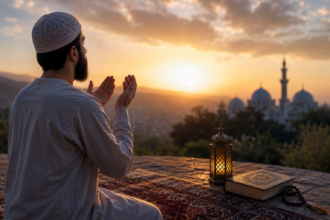



Mid-June brings a quiet but profound shift for Muslims worldwide as the final chapters of Dhul-Hijjah 1447 close. The imminent sighting of the new crescent moon does more than flip a page on a calendar; it ushers in Al-Hijra, welcoming the Islamic New Year 1448.
This transition introduces us directly to Muharram, one of the four sacred months designated by Allah. The Quran reminds believers of the sanctity of these times:
إِنَّ عِدَّةَ الشُّهُورِ عِندَ اللَّهِ اثْنَا عَشَرَ شَهْرًا فِي كِتَابِ اللَّهِ يَوْمَ خَلَقَ السَّمَاوَاتِ وَالْأَرْضَ مِنْهَا أَرْبَعَةٌ حُرُمٌ
“Indeed, the number of months with Allah is twelve [lunar] months in the register of Allah from the day He created the heavens and the earth; of these, four are sacred.” (Qur’an 9:36)
Muharram is one of these sacred months, making its arrival a time of heightened spiritual awareness and devotion.
In our fast-paced modern lives, this period serves as a divinely mandated intermission. It offers an intentional space to audit our spiritual health, look honestly at our past missteps, and lay down a conscious foundation for the twelve months ahead.
Honoring a sacred month requires more than passive awareness; it demands a shift in our daily behavior. Because good deeds are amplified during this time, we can focus on fortifying our obligatory prayers rather than chasing overwhelming, unsustainable goals. Cultivating consistency by dedicating ten minutes after dawn or before bed to quiet, focused Quranic reading can anchor a chaotic day. Similarly, intentionally cleaning up our speech, cutting back on mindless digital consumption, and practicing deliberate patience with our families turns the concept of the Hijrah—migration—into a lived, daily reality of moving away from bad habits toward better character.
The spiritual peak of this month lies in the profound opportunity for voluntary fasting. The Prophet Muhammad, peace and blessings be upon him, singled out this month as holding an unmatched status for fasting outside of obligatory worship. This exceptional virtue is recorded in an authentic narration in Sahih Muslim:
عَنْ أَبِي هُرَيْرَةَ رَضِيَ اللَّهُ عَنْهُ قَالَ: قَالَ رَسُولُ اللَّهِ صَلَّى اللَّهُ عَلَيْهِ وَسَلَّمَ: «أَفْضَلُ الصِّيَامِ بَعْدَ رَمَضَانَ شَهْرُ اللَّهِ الْمُحَرَّمُ»
Abu Hurayrah, may Allah be pleased with him, reported that the Messenger of Allah, peace and blessings be upon him, said: “The best fasting after Ramadan is the month of Allah, Muharram.”
While any fasting during these weeks brings immense reward, we should specifically mark our calendars for the ninth and tenth days of Muharram, known as Tasu’a and Ashura. Prophet Muhammad, peace and blessings be upon him, observed the fast of Ashura to commemorate the day Allah saved Prophet Musa and the Children of Israel from tyranny, and he expressed a deep desire to fast the ninth day as well to be distinct in practice. In another verified tradition, the Prophet noted that fasting on the Day of Ashura expiates the minor sins of the entire previous year, representing an immense act of divine mercy that no believer should overlook.
Ultimately, entering the year 1448 AH with purpose means making tangible changes in how we treat ourselves and those around us. We can use the arrival of Muharram to quietly mend fractured relationships, settle outstanding personal debts, or establish a discreet, recurring charity practice. By pairing these communal acts of kindness with sincere personal fasts and structured daily prayers, we can transform the turning of the Islamic New Year from a simple date change into a profound catalyst for lasting spiritual growth.