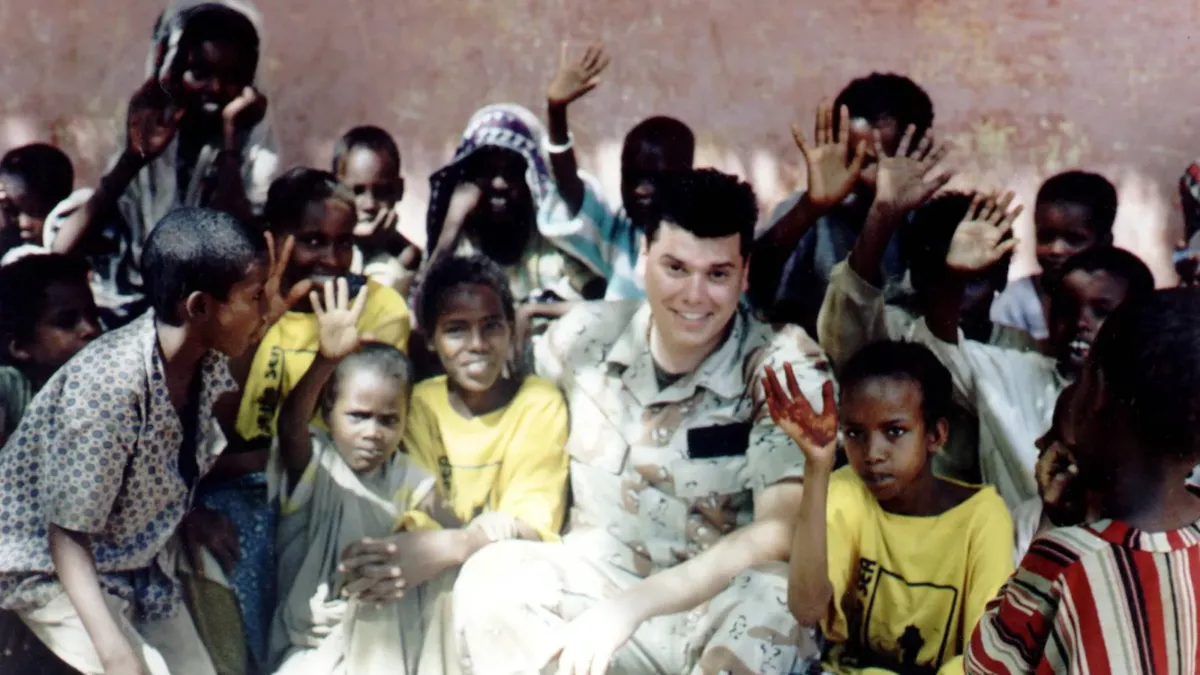
The Baidoa fighting in southwestern Somalia has displaced more than 18,000 people, the International Committee of the Red Cross said on Nov. 17, citing a report by the UN refugee agency.
The ICRC said the figure comes from the UNHCR Somalia report for the third quarter of 2026. It warned that hunger and floods linked to a forecast El Niño could add to the strain on displaced families in Baidoa, in South West State.
The ICRC said the conflict has escalated since March. Between July and September, renewed fighting accounted for nearly half of all conflict-related displacements in Somalia in that period, it said.
What the ICRC said
Mayow Mohamed, head of the ICRC office in Baidoa, said: “Baidoa became a ghost town. Families fled, fearing for their lives.”
The ICRC said, citing UNHCR, that the Bay region hosts more than half a million displaced people.
The ICRC and the Somali Red Crescent Society said more than 500 wounded people were taken to Bay Regional Hospital. ICRC supplies helped treat more than 160 patients at Bay Regional and more than 60 at Bayhaw Hospital, and first aid reached almost 150 people.
The ICRC said it also gave cash to close to 2,000 displaced families in Awdiinle and made more than 4,000 free phone calls so people could trace relatives. It visited detainees at Baidoa Central Prison in connection with the fighting and trained 300 weapon-bearers in Baidoa and Xudur in international humanitarian law.
The organisation urged all parties to protect civilians, let the wounded reach hospitals, protect health workers and spare the shelters of displaced people.
The displacement figures
UNHCR published two separate alerts on Baidoa this autumn. The table sets them beside the figure the ICRC cited.
| Episode | Dates | People displaced | Source |
|---|---|---|---|
| Recent fighting in and around Baidoa | Not stated | More than 18,000 | UNHCR Somalia Q3 report, as cited by the ICRC on Nov. 17 |
| Armed clashes in Baidoa | Sept. 3-5 | More than 14,000 | UNHCR Flash Alert #21, uploaded Sept. 13 |
| Renewed clashes | Sept. 28 to Oct. 3 | More than 5,600 | UNHCR Flash Alert #24, Oct. 6 |
UNHCR said the September clashes involved forces aligned with the former South West State administration, and that federal and state forces reportedly pushed back the attackers. For the later round, it named forces associated with the former administration and the Somali National Army as the parties.
How the three figures relate
The ICRC said the 18,000 comes from UNHCR’s third-quarter report and did not say which dates or areas it covers. The two UNHCR flash alerts each cover a single round of clashes, and it is not clear whether their figures overlap with the 18,000.
Casualty figures from earlier fighting were also contested. Reuters reported on Aug. 17 that Somalia’s defence ministry said about 30 attackers were killed when federal troops drove opposition forces out of Baidoa, while residents reported dozens dead.
Hunger and El Niño on top of the fighting
IPC experts cited by the ICRC said about 26,000 displaced people in Baidoa could face severe food insecurity by late December.
Reuters reported that a July survey by Doctors Without Borders found one in four children at Baidoa displacement sites severely malnourished.
George Conway, the UN Humanitarian Coordinator, said on Oct. 10 that fighting poses particular risks to displaced people, women and children, Dawan Africa reported. He cited the risk of famine, child malnutrition and El Niño floods, and urged the parties to de-escalate and allow aid through.
In a release on Oct. 13, the ICRC said climate experts expect a record El Niño event from October to December that could intensify the Deyr rains and cause severe flooding along the Shabelle and Juba rivers. A similar event in 2023 affected close to 2 million people and displaced more than 500,000, it said.
The Food and Agriculture Organization said in June that El Niño forecasts gave a likelihood of more than 90% for October to December.
UNICEF said on Sept. 23 that 5.4 million people nationally were projected to face crisis-level hunger or worse from October to December, including 1.5 million at emergency level or worse. It said the Somali Disaster Management Agency estimates 2.5 million to 3.5 million people could be exposed to flooding and about 1 million displaced.
Aid capacity has shrunk. Antoine Grand, the ICRC head in Somalia, said: “The bad news is that humanitarian funding and capacity in general have seriously decreased.” The ICRC said aid cuts have closed clinics, and that it has delivered 10,500 sandbags to Red Crescent clinics in Berdale, Xudur and Wajid and flood-proofed 14 water points.
Background to the Baidoa fighting
Federal forces seized Baidoa in March after the administration of South West State president Abdiaziz Hassan Mohamed Laftagareen said it was cutting ties with the federal government, Reuters reported. Laftagareen then resigned. In August, federal troops pushed forces loyal to him out of the city after clashes that residents told Reuters were the fiercest since March.
Our explainer on why fighting keeps returning to Baidoa sets out the political background, and an earlier report covered casualty figures from the Baidoa-Mogadishu road battle.
What happens next
Climate experts expect El Niño to strike from October to December and to intensify the Deyr rains, according to the ICRC. The IPC projection for displaced people in Baidoa runs to late December, when about 26,000 could face severe food insecurity.