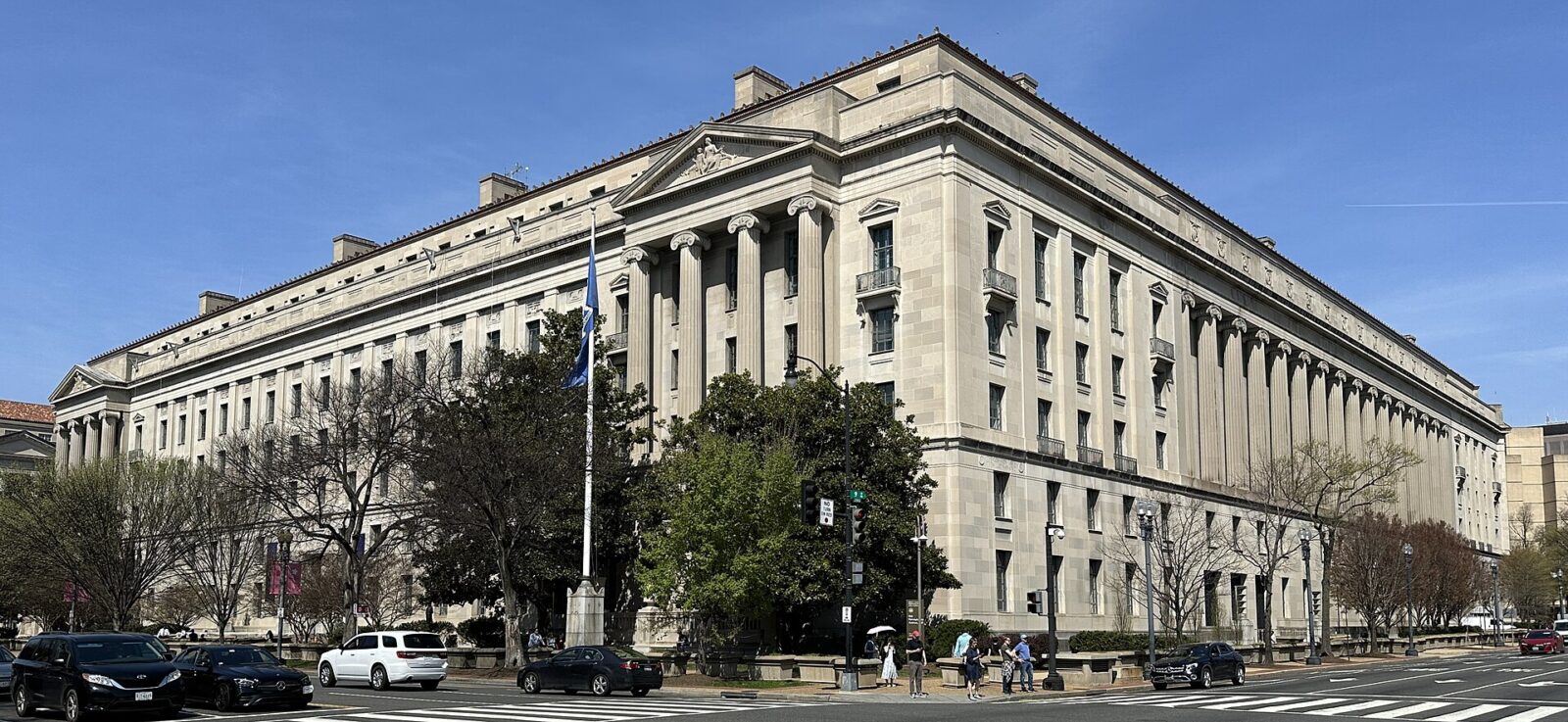
The US Justice Department on Thursday announced charges against five people in an alleged ghost student fraud that used stolen identities to claim federal student aid and sent the money to a network in Kenya.
The department said the cases are the first results of “Operation Ghostbusters” and that investigators, working with Kenyan law enforcement, seized more than $750,000 from a cryptocurrency account held by a Kenyan national.
Everything described below is an allegation by prosecutors and has not been proven in court.
What the Justice Department alleges
The department’s National Fraud Enforcement Division and the US Attorney’s Offices for the Eastern District of Virginia, Nebraska and New Jersey announced the charges against five defendants in three districts. Three people were arrested in New Jersey, a Kenyan national was indicted in Virginia and a Kenyan citizen was indicted in Nebraska.
According to the department, the scheme used stolen US identities to open federal student aid accounts and enrol ghost students who never attended. Aid refunds were diverted to accounts controlled by foreign actors, and the activity is alleged to date to at least 2021.
US-based money mules, including Kenyan nationals, allegedly moved the money. They kept a cut and sent the rest abroad in thousands of wire transfers and money service business payments, the department said. Recipients included co-conspirators in Kenya, one tied to a purported safari company.
The three cases
In New Jersey, Mabed Patricia Utate-Alberto, Patricia Arisleydi Perez and George Arturo Alfau Mendez were arrested. A complaint alleges they conspired with people in Kenya from about March 2021 to at least January 2026, acting as mules to obtain more than $1 million in federal student aid. The intended loss is $1.5 million.
The department said it will seek to charge two unnamed Kenya-based co-conspirators tied to a purported safari company.
In Virginia, an unnamed Kenyan national faces a multi-count indictment returned on Oct. 21 for conspiracy to commit wire fraud and student aid fraud. The department alleges the defendant received more than 700 refund deposits totalling about $1,439,548 and sent at least $1.3 million to accounts in the United States and Kenya. The intended loss is $1.4 million.
In Nebraska, Francis Mogambi faces a 10-count indictment returned on Oct. 19, with five counts of theft of government money and five of aggravated identity theft. The department alleges that from November 2025 to May 2026 he enrolled victims using stolen identities, redirected aid checks to himself, kept 30% and sent the rest to conspirators in Kenya. The intended loss is $20,000.
Mogambi was arrested and is detained pending trial. He arrived in the United States on May 15, 2024, on a Diversity Visa and received a green card, the department said.
Kenya’s role in the case
In September, representatives of the Fraud Division and other agencies visited Kenya to discuss extraditions, prosecutions and asset recovery, the department said. With Kenyan law enforcement, US investigators seized more than $750,000 from the cryptocurrency account. The department called it the Fraud Division’s first international seizure of its kind.
The department named the Directorate of Criminal Investigations, the Asset Recovery Agency and the Office of the Director of Public Prosecutions as Kenyan partners. Pulse Kenya reported that $750,000 is about Sh97 million.
Related coverage on this site includes Kenya’s reported deportation of Somalia’s deputy prime minister over alleged passport fraud and the KUCCPS 2026/2027 placement results.
What the different figures measure
The announcement carries several dollar figures that measure different things. The table sorts them by what each describes.
| Figure | What it measures | Source |
|---|---|---|
| More than $750,000 | Seized from a Kenyan national’s cryptocurrency account | Justice Department |
| About $2.9 million | Combined intended loss in the three charged cases | Justice Department figures, summed |
| More than $1 million | Aid the New Jersey defendants allegedly conspired to obtain | Justice Department |
| Nearly $130 million | Value tied to 830,840 flagged student aid IDs | Justice Department |
| More than $200 million | Estimated losses from the broader scheme since at least 2021 | Justice Department |
| More than $350 million | Ghost-student fraud investigated over five years, as of February | WTOP |
The $2.9 million is a sum of the $1.5 million, $1.4 million and $20,000 intended losses in the three cases.
How the ghost student fraud cases fit a wider federal inquiry
The FBI’s Richmond Field Office opened the case after a referral from the Education Department’s Office of Inspector General. The department said there are more than 40 open cases across 26 FBI field offices and more than 20 US Attorney’s Offices.
The department estimates losses from the broader scheme at more than $200 million since at least 2021. That is an estimate for the wider scheme, not losses in the five charged cases, and it was not immediately clear how much is tied to the Kenyan network.
In September and October, Education Department investigators identified 830,840 potentially fraudulent Federal Student Aid IDs tied to nearly $130 million and recommended that the department disable them. It was not immediately clear whether the IDs had been disabled.
“Every dollar that falls into the hands of a fraudster is a dollar that will not go to a student in need.”
Nicholas Kent, Education Department under secretary, in the Justice Department announcement
What happens next
No court dates were stated in the announcement. Mogambi remains detained pending trial, and the department said prosecutors plan to pursue charges against the two Kenya-based co-conspirators tied to the safari company.
Victims can report through the Education Department inspector general’s hotline complaint form at oig.ed.gov/oig-hotline/complaint-form, and the FBI has sent letters to identified victims, the department said.