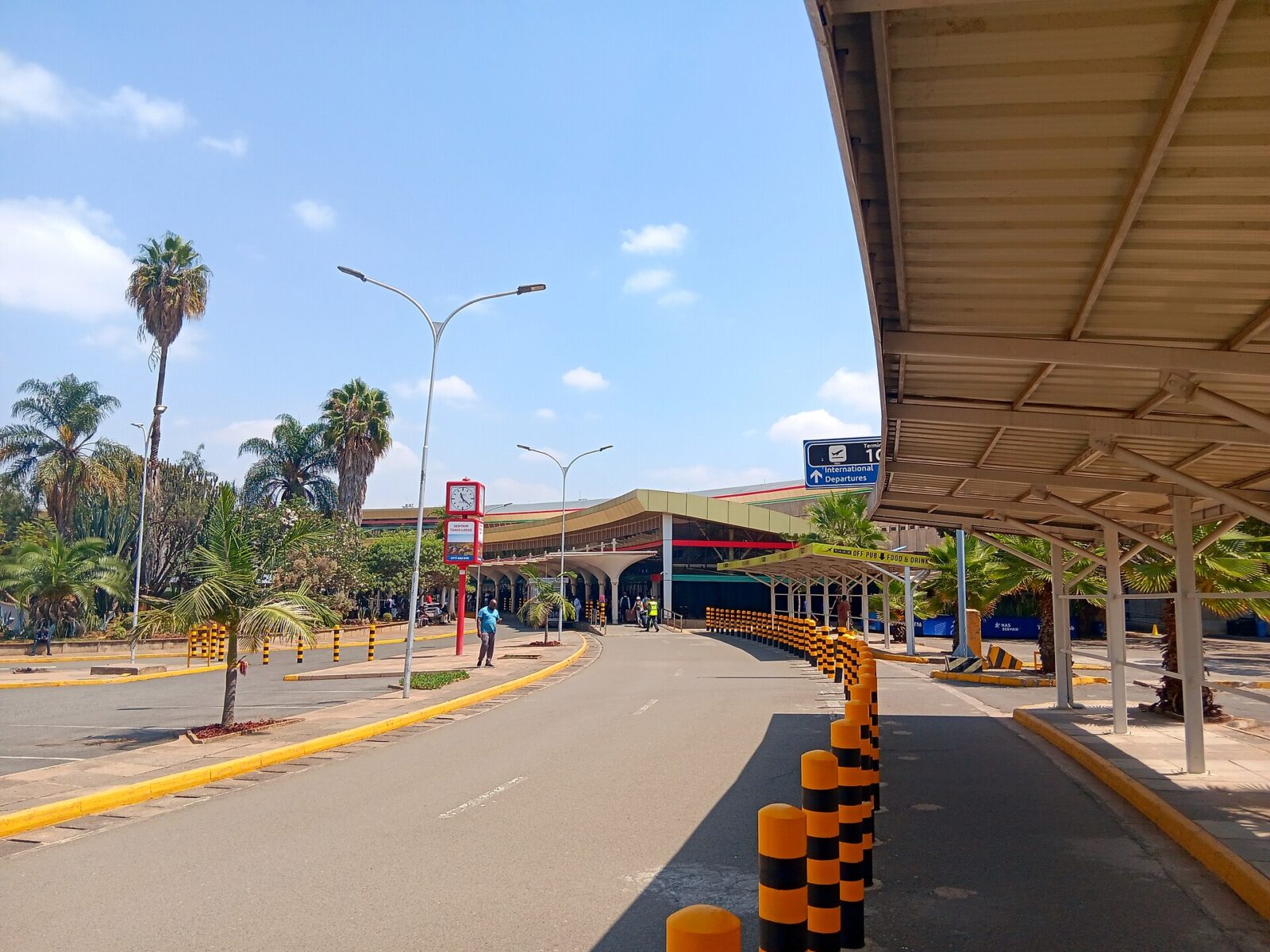
Saudi Arabia’s Ebola travel ban on Kenya, announced Oct. 30, bars entry to anyone who had been in Kenya in the previous 21 days and halts all visas for travelers from Kenya.
Kenya’s Health Cabinet Secretary Aden Duale responded the next day, saying the measures are “not only excessive but not backed by the current epidemiological situation”, according to Kenyans.co.ke.
The Ministry of Health said no new infection has been recorded in Kenya since Oct. 19, and that five patients are due to be discharged on Nov. 3, according to the Kenya Broadcasting Corporation.
What Saudi Arabia’s Ebola travel ban says
The Saudi Public Health Authority announced the steps on Friday, in a statement carried by the Qatar News Agency. They suspend travel to Kenya by Saudi citizens, halt all types of visas for travelers from Kenya, and ban entry for anyone who was in Kenya or another Ebola-affected country in the 21 days before arrival.
Khaleej Times reported that the entry ban covers people who lived in Kenya in the prior 21 days, including those transiting through another country.
The authority said the situation inside the Kingdom “remains reassuring” and is under monitoring. Khaleej Times reported that the authority will track developments and add measures as needed.
Khaleej Times reported that Kenya confirmed its first case on Oct. 6, an imported one: a Kenyan who had traveled from the Democratic Republic of Congo and died in Nairobi. The newspaper described Kenya as the fourth country with a case linked to the eastern Congo epidemic, the second largest on record, with more than 8,000 cases, according to Khaleej Times.
Kenya’s response
In a statement on Saturday, the Ministry of Health said it had noted “with concern the extreme measures taken by the Kingdom of Saudi Arabia”, the Kenya Broadcasting Corporation reported.
“I reiterate we have NO evidence of community transmission,” Duale said, according to the broadcaster. He said the outbreak is contained in one cluster and that Kenya wants “support and collaboration, not condemnation, not travel restrictions”.
The ministry said it had traced 135 contacts, of whom 118 were placed under quarantine, the broadcaster reported. Seven patients were in treatment as of Oct. 31. The Ministry of Foreign and Diaspora Affairs will keep engaging Saudi Arabia, it said.
Kenyans.co.ke reported that a diplomatic note dated Oct. 30 asked Saudi Arabia to review and lift the restrictions. The outlet said the note also asked Riyadh to submit its justification to the World Health Organization within 48 hours, as the International Health Regulations require, and to review the measures within three months.
The cluster of confirmed cases has included health workers and close family members of patients, the broadcaster reported. Kenya’s ninth case, announced on Oct. 20, was a man already in quarantine, according to Al Jazeera and The Star.
The outbreak has also drawn legal and political dispute in Kenya, where the High Court issued interim orders in May halting the operation of a planned US-linked Ebola quarantine facility at Laikipia Airbase.
The two positions side by side
The table sets the Saudi measures, as announced by its health authority, against what Kenya’s Ministry of Health has said. Saudi details come from the Qatar News Agency and Khaleej Times, Kenya’s from the Kenya Broadcasting Corporation.
| Issue | Saudi position | Kenya’s position |
|---|---|---|
| Travel | Saudi citizens’ travel to Kenya suspended | Wants support, not travel restrictions |
| Visas | All visa types halted for travelers from Kenya | Calls the measures excessive |
| Entry | Ban on anyone in Kenya in the previous 21 days | Says the outbreak is in one cluster |
| Spread | Says its own situation remains reassuring | No new infection since Oct. 19 |
What the measures mean for Kenyans
For Kenyans, the practical effect is that travel to Saudi Arabia from Kenya is closed under the stated rules, since all visa types are halted. Anyone who spent time in Kenya in the previous 21 days is covered by the entry ban, according to the Saudi announcement.
It was not immediately clear whether people who already hold visas, or Kenyans working in Saudi Arabia, are exempt.
The Saudi statement says the measures build on precautions introduced in July 2019 and strengthened in May 2026. In June 2026, Saudi Arabia suspended travel to and arrivals from DR Congo, Uganda and South Sudan.
The latest announcement adds Kenya to those countries, according to the Saudi statement. The Ministry of Health says Kenya’s outbreak is a single cluster with no new case since Oct. 19 and no evidence of community transmission. Kenya has asked Saudi Arabia to review the measures in light of that record.
What happens next
Five patients who returned a first negative test are due a second test on Monday, Nov. 2, according to Kenyans.co.ke. The Kenya Broadcasting Corporation reported they are expected to be discharged on Nov. 3 with 46 quarantined contacts who have stayed symptom-free.
Kenya’s request for Saudi Arabia to review the restrictions is pending. Khaleej Times reported the authority may add measures as developments require.
Related reading: At Least Eight Killed in Suspected al-Shabaab Ambush in Mandera
Comments (1)