

NAIROBI — Kenya is facing a turbulent week of fiscal transformation and intense legislative friction as public opposition mounts against a proposed 4.82 trillion Kenyan shilling national budget. The aggressive spending plan has triggered widespread concern among business leaders, legal experts, and the public, compounding fears over the country’s soaring 13 trillion shilling public debt burden.
The newly unveiled budget for the upcoming financial year marks a sharp escalation from the previous cycle, with recurrent government expenditure set to absorb nearly 2.9 trillion shillings. To fund this massive expansion, the National Treasury has targeted 3.63 trillion shillings in total revenue, necessitating an additional 120 billion shilling tax package through the contentious Finance Bill.
This tax strategy has met fierce resistance from a powerful coalition of professional bodies representing Kenyan lawyers, accountants, bankers, and manufacturers. The groups are jointly demanding a major compromise bill, warning that the planned tax hikes will severely overstrain households and stifle commercial growth. Investor anxiety is already visible in the financial sector, where a recent central bank bond sale raised just over half of its 15 billion shilling target, signaling slumping confidence in long-term state debt.
The economic strain is unfolding alongside severe regulatory scrutiny in the financial sector. The state has launched a sweeping forensic inquiry into the technically insolvent Metropolitan National Sacco, where investigators are trying to trace approximately 50 billion shillings in mismanaged and undocumented loans.
Amid the economic gridlock, the government is pushing ahead with a comprehensive overhaul of its public health sector. The Ministry of Health has accelerated updates to foundational statutes, including the Food, Drugs and Chemical Substances Act, while launching emergency preparedness workshops to bolster disease surveillance against regional outbreaks of Mpox and Dengue fever.
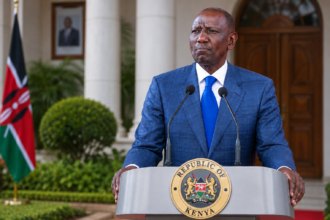
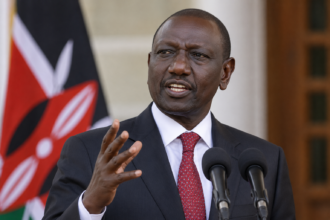
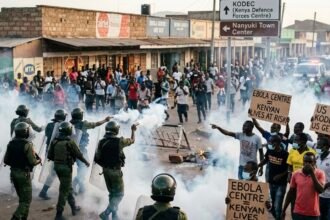
The domestic climate remains tense following localized civil unrest in Nanyuki, where protests erupted near a military facility over a controversial quarantine installation. Addressing security concerns from State House, Interior Cabinet Secretary Kipchumba Murkomen defended the constitutional right to peaceful demonstration but issued a stern warning that any individuals engaging in arson or looting would face immediate prosecution. The warning coincided with President William Ruto receiving a landmark report from the Kenya National Commission on Human Rights, which establishes a formal framework for victim reparations following recent political demonstrations.